In this guide
Check whether this is the same problem
Compare the current onset, location, spread, and effect on function with the established pattern. New trauma, weakness, numbness, systemic illness, a newly hot, swollen, painful joint, or rapidly declining function can require a different response. Read the urgent symptom guidance and seek care when appropriate.
If you have a clinician’s flare plan, start there. A post-operative restriction, bone stress injury, inflammatory condition, or neurological problem cannot be managed by borrowing a generic pain-monitoring rule.
Identify what became harder
Write down the task and what changed: walking duration, repeated lifting, sitting tolerance, sleep, or another daily demand. Include the rest of the week: work, travel, sport, recovery, and medication changes. A difficult response may coincide with several changes rather than one exercise.
Pain is influenced by biological, psychological, and social factors.[1] That context can guide a discussion without dismissing symptoms or deciding remotely that the flare is harmless.
Choose a familiar, lower-demand version
| Variable | Example |
|---|---|
| Duration | Use a shorter familiar walk with a planned resting point |
| Range | Use a shallower chair rise or lower reach |
| Load | Handle a lighter object or divide a carrying task |
| Assistance | Use agreed support, such as a rail or firm chair arms |
| Frequency | Reconsider how often the demanding exposure repeats |
Use an option compatible with your condition and current care advice. For many low-back-pain presentations, guidance encourages continued normal activity with suitable modification.[2] That evidence does not establish the same response for every injury.
Use a brief check-in sequence
- Settle into a supported position. Give yourself time to describe the symptoms and review the plan.
- Select one familiar activity. Choose the lower-demand version you already understand.
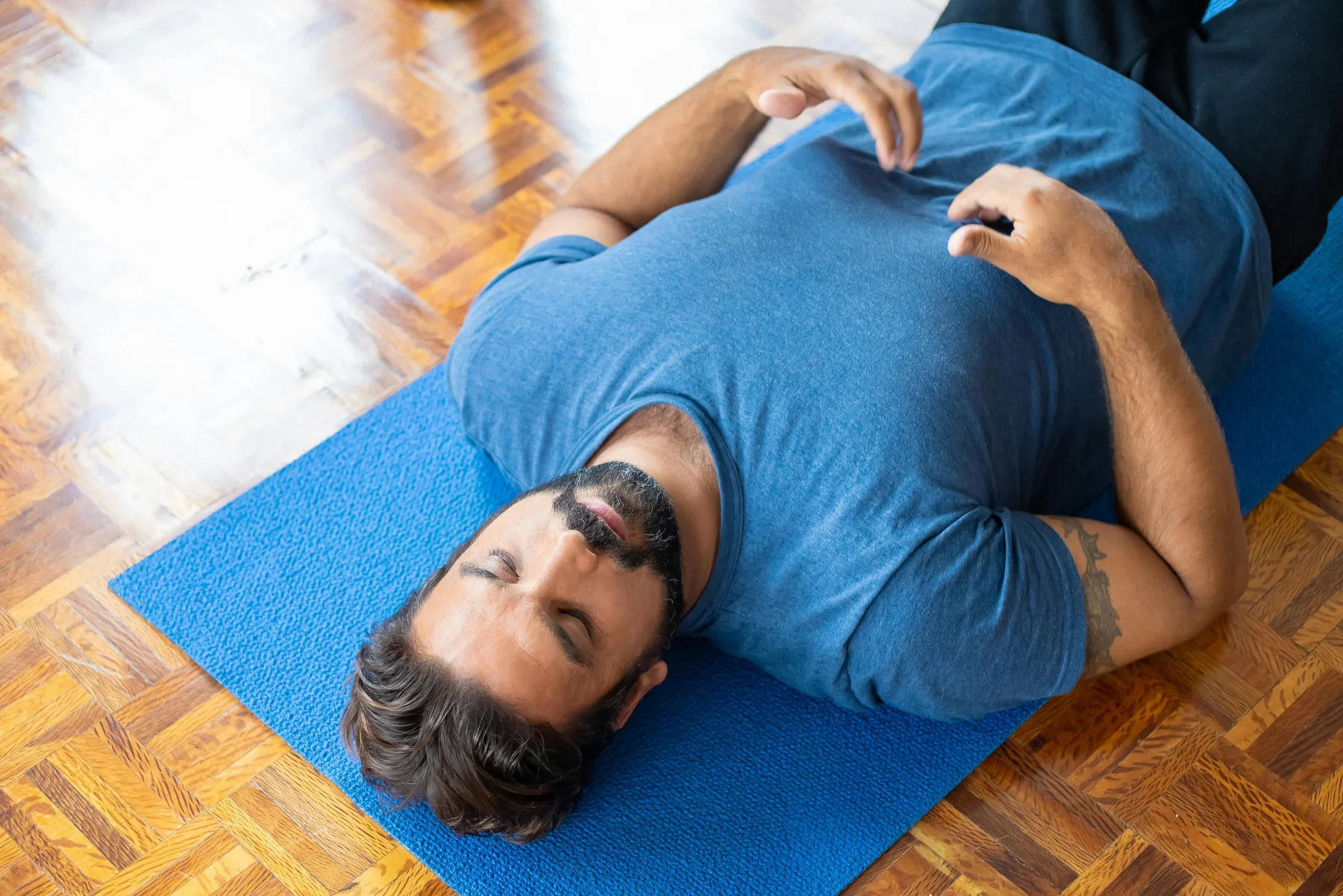
- Complete a short agreed exposure. Keep support, range, and duration clear.
- Record the result. Include symptoms, effort, and the ability to perform the next ordinary task.
- Reassess later. Follow the timing and escalation guidance appropriate to your condition.
This is an organizing framework, not a validated treatment protocol. It deliberately leaves the exercise and dose to the individual situation.
Avoid turning the day into repeated testing
Frequent maximal retests can add exposure while giving little new information. Choose a useful review point and a small number of observations. A pain score, range measure, and daily-function note answer different questions.
If the plan repeatedly produces worsening symptoms, the pattern changes, or normal function continues to fall, seek reassessment. Repeating an increasingly unsuitable routine is not a progression strategy.
Prepare a concise flare record
Bring the original diagnosis or working explanation, the current change, recent activity, what you modified, and the later response. Ask what can continue, which limits still apply, and exactly which changes should prompt contact.
References and evidence
- IASP · Revised definition of pain and accompanying notes
Pain and nociception are distinct; biological, psychological, and social influences matter.
- NICE NG59 · Low back pain and sciatica: recommendations
Assessment, activity, exercise, and the circumstances in which imaging may change care.