01
Back & spine
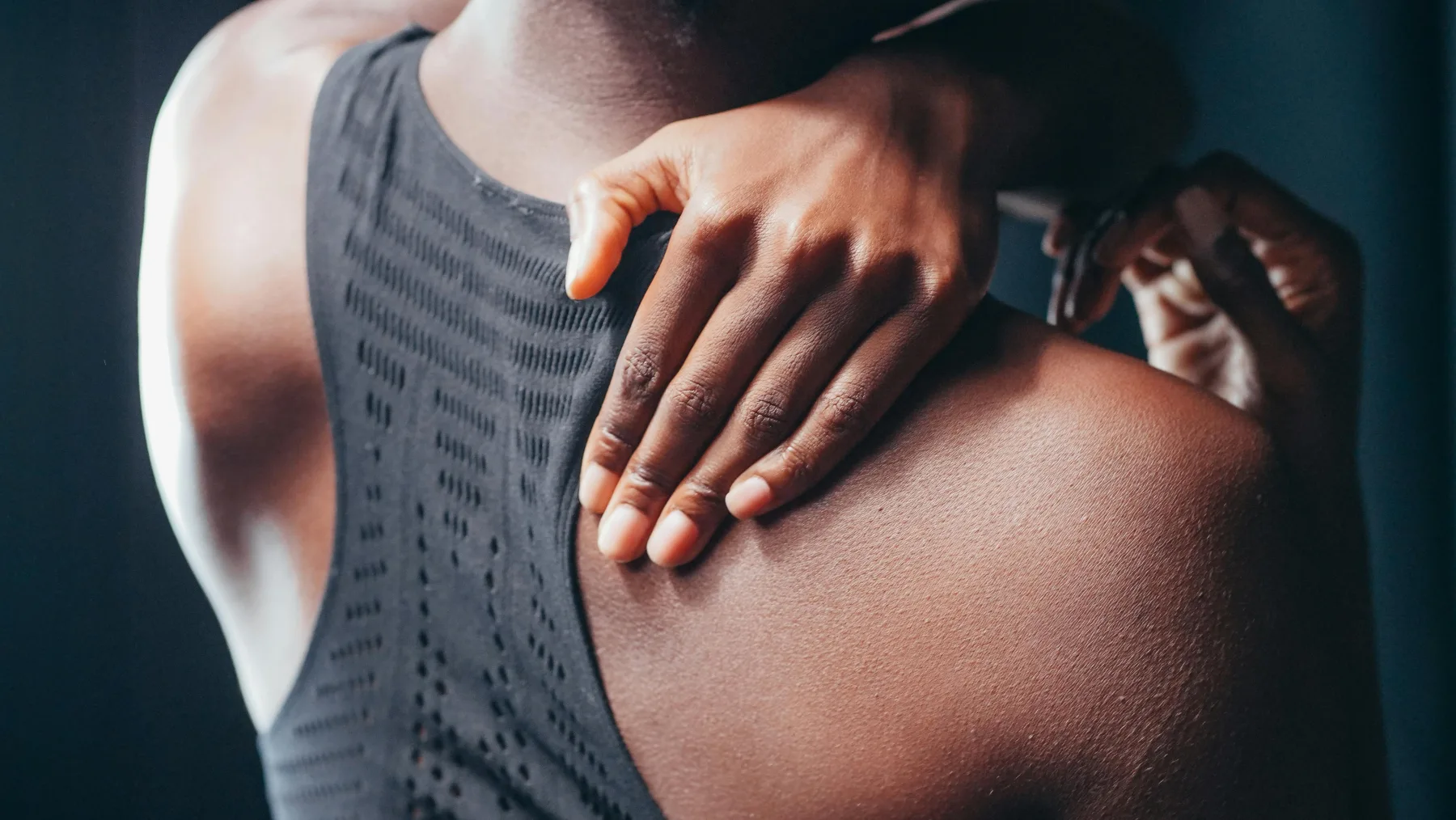
Understand back-pain assessment, exercise options, scan findings, and ways to rebuild daily activity with appropriate support.
Understand joint movement,
exercise progression, and
the research behind rehabilitation.
Open the field guide
IThe bodyJoints, regions & everyday tasksIIThe scienceMechanisms, methods & evidenceIIIThe practiceExercise, routines & useful tools
Plan an exercise
Look at the range, force, speed, and skill an activity requires. Then choose what to practice—and how to measure the result.
Understand exercise dose →Find movement instructions, exercise adjustments, and symptoms that need assessment. Each guide links its advice to the relevant research.
Understand back-pain assessment, exercise options, scan findings, and ways to rebuild daily activity with appropriate support.
Understand shoulder assessment, rotator-cuff evidence, exercise choices, and ways to adapt reaching and loading.
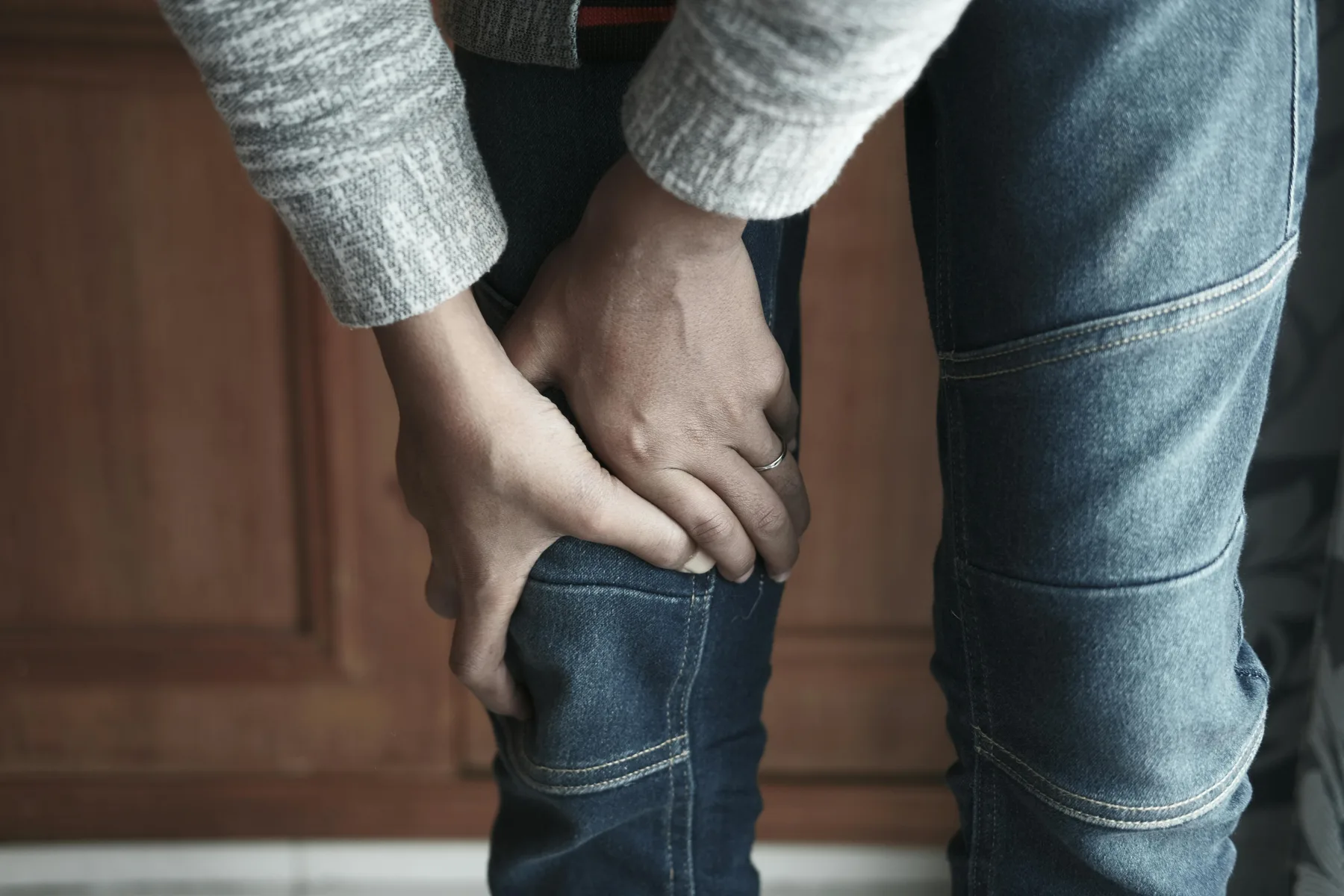
Adapt chair rises, stairs, and walking; understand knee osteoarthritis exercise evidence and when symptoms need assessment.
02 / Movement science
Distinguish measurement error from improvement. Compare loading methods, examine how skills transfer, and learn what a study result can tell you.
Open the science collection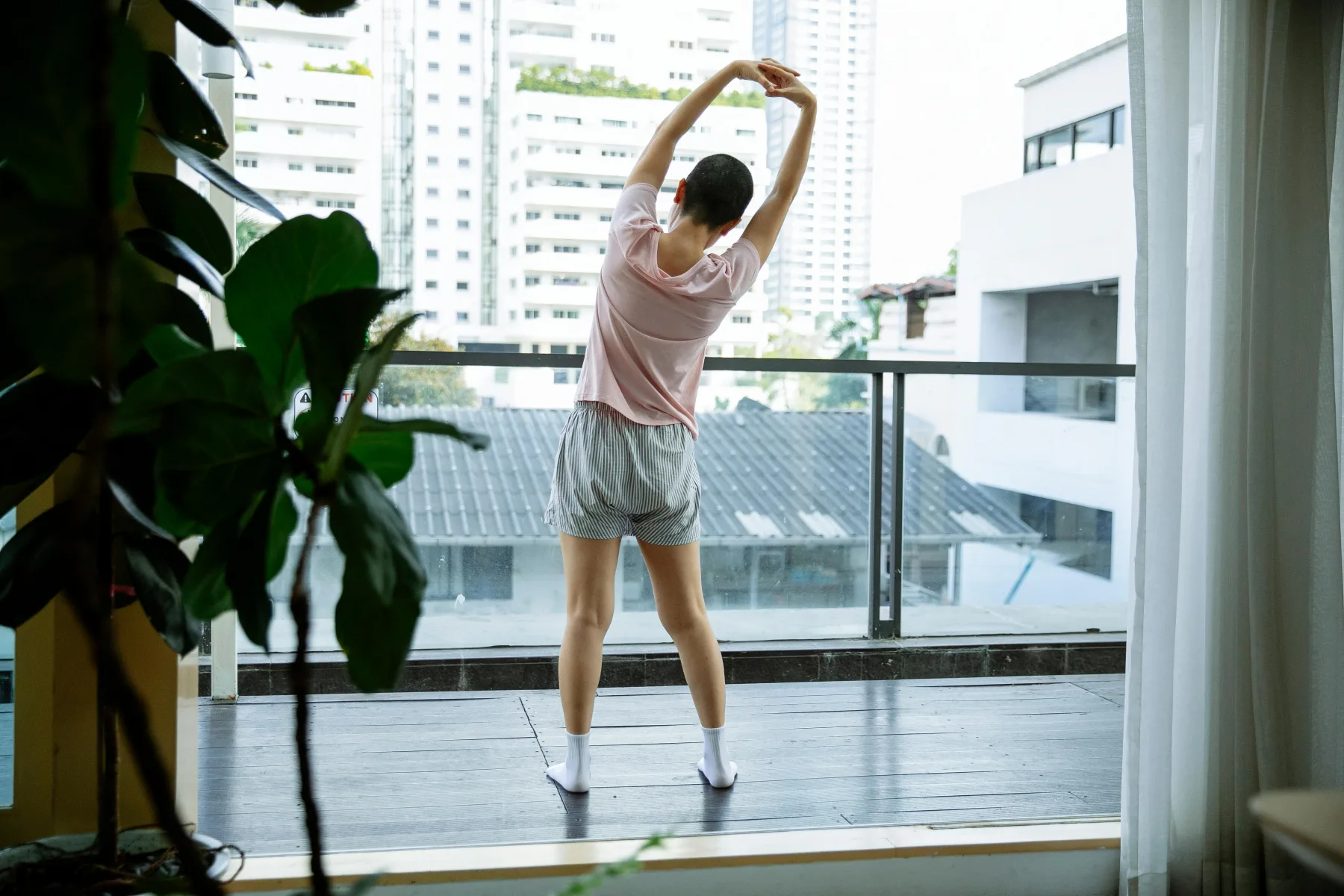 Make a little room for movement.
Follow the movement instructions, choose a seated or supported alternative, and allow time for rests. Start with the version that fits your day.
Exercise tools
04 / Field notes
Anthony Mercer’s observations on rest, physiotherapy, and returning to ordinary movement.
Read the essaysPublished by Kerr Media LLC. Independent education in movement and rehabilitation.
Read our standards